
Happy Centenary, Marilyn
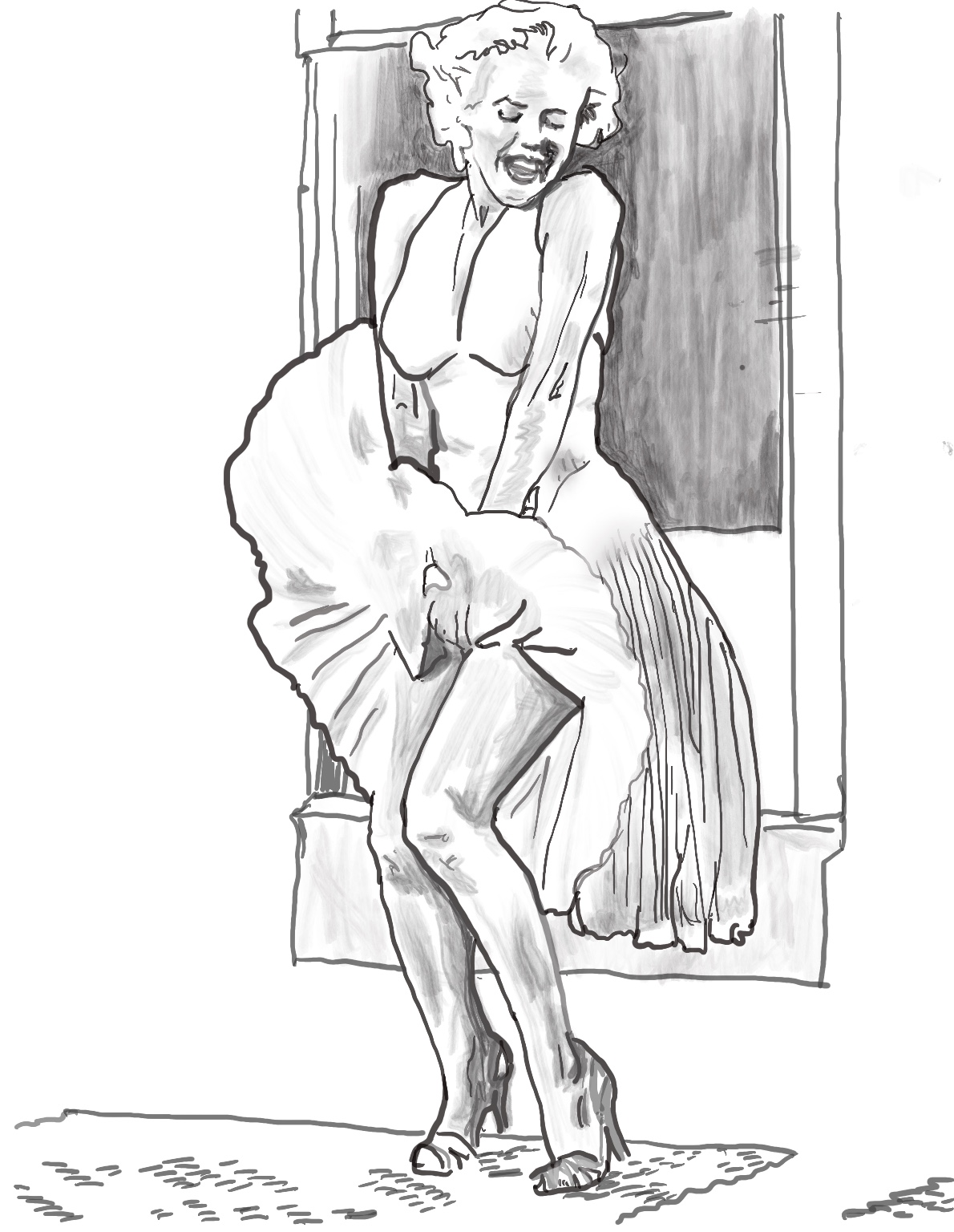
It’s Marilyn Monroe’s 100th birthday today. Despite the stratospheric amount of media attention she has received since becoming a motion picture icon, our perception of her remains as mercurial and mysterious as it ever once. And has never stopped exercising its allure over us.
In honour of her centenary, she’s been present in the media once again – and once again the portrayal of her has changed. Has all this information always been in the public domain, or does our understanding of her morph over the years, as we pass through different phases of awareness of being female?
As she begins, or maybe continues to be portrayed as a strong, intelligent woman who didn’t waver trying to achieve what she wanted and created a body of work – which included the fashioning of her public persona – as a path to achievement. She has become not only a blank canvas and mirror for men and their desires, but now also for women who can discover in her a role model other than housewife, dutiful mother or femme fatale.
I recently watched a three-part biographical documentary about her on the arte channel which charted how she grew up in a foster family, crafted her image and never stopped trying to get into the movies, nor wrangling with film studios about her contracts and the work. There is that famous photograph of her reading James Joyce’s Ulysses. And her attempts to hone her acting skill by studying the Method with Lee and Paula Strasberg. She was famously “difficult”, but that certainly isn’t a gender-specific trait in actors.
Watching and reading about her in 2026, I find myself asking myself three questions. The first, of course: what would she have become if she hadn’t died of an overdose on 5 August 1962 at the age of 36. Would she slowly have faded from our screens as she aged and studio bosses looked for younger models to cast? Perhaps only to make a return when she could be cast as somebody’s mother or grandmother? Or continued to film until drug abuse or illness knocked her down? Would she go on to marry another three or four men – maybe one of them twice? Adopt one or (many) more children, with or without her husbands? Use her money and influence to support a benevolent cause, such as children in poverty or animal shelters?
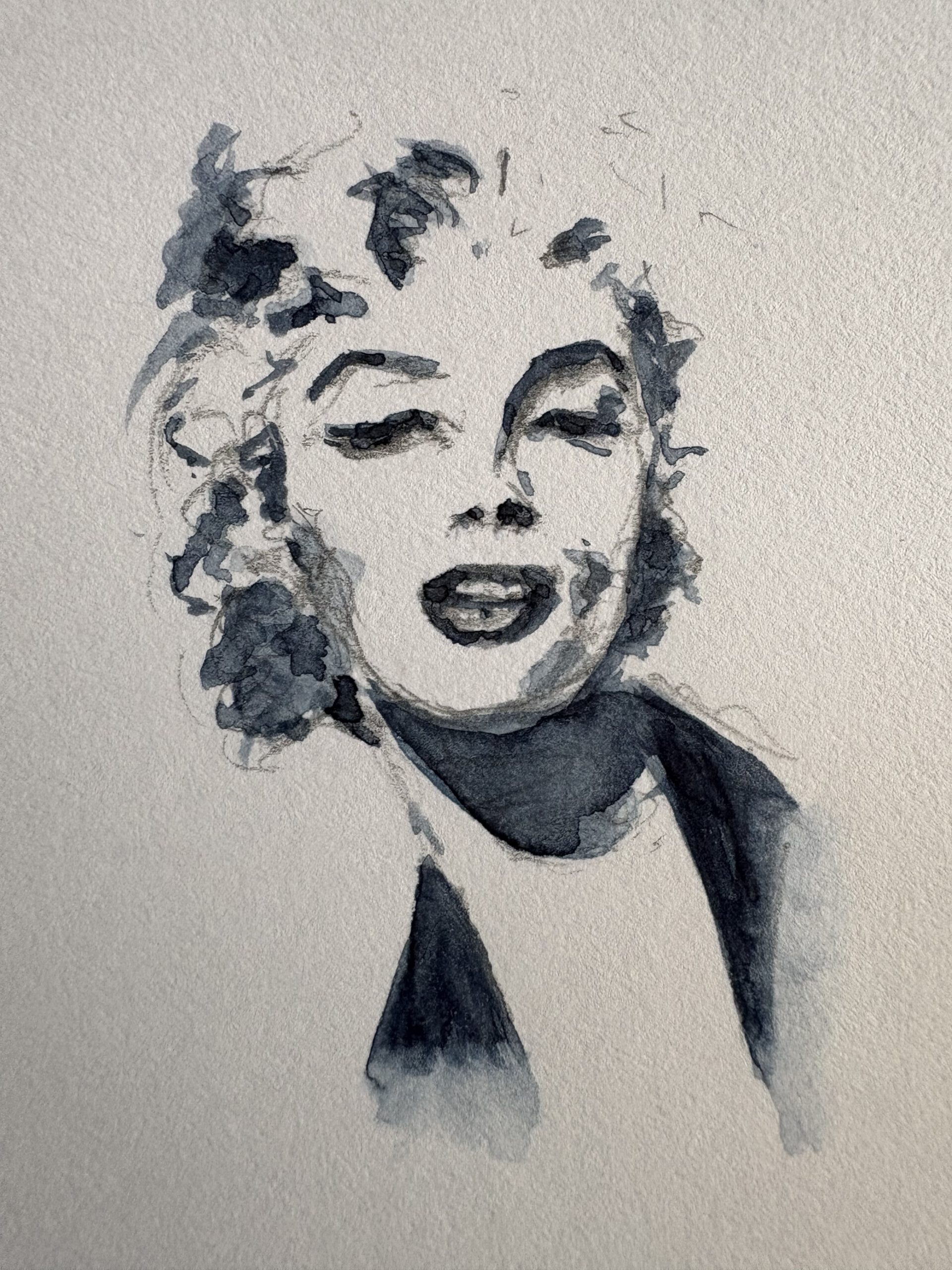
There’s also the possibility that she might have found her way out of the persona that seems to have been strangling her. In 1954, she founded her own production company. She could have adapted some of the novels she read, or pursued more challenging, less instrumentalising vehicles, or gone into directing.
And finally: would there have been another, divergent trajectory for Marilyn that might have ended happily? In the Iliad, Achilles was prophesied either to become a glorious hero, a champion for the ages; or go on to have a happy, peaceful life in obscurity. It seems unlikely. And, as with Achilles, we would have never been able to admire and wonder at the phenomenon she was.
0 Kommentare